


Applications for Systemic Listening Therapy
Applications for Systemic Listening Therapy
Applications for children
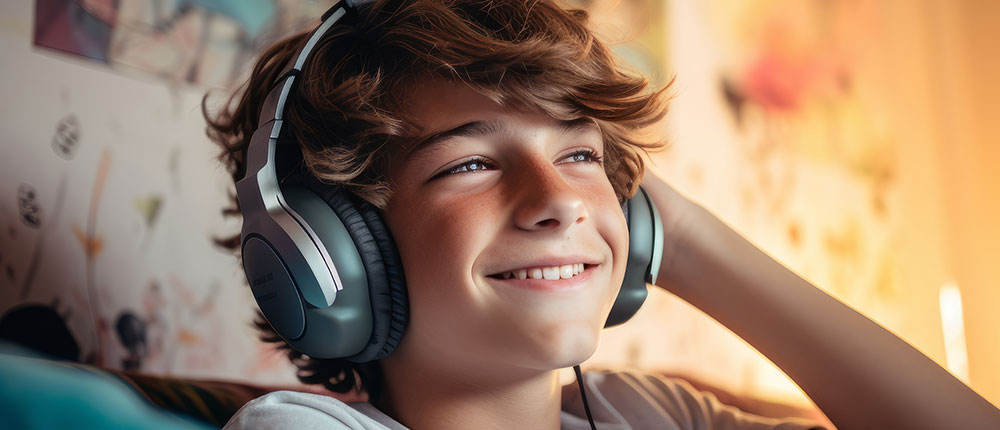
The basis of listening therapy is an improvement in the performance of the two senses contained within the inner ear. The sense of hearing and the sense of balance. Listening therapy is generally recommended for:
I Hearing disorders
- Auditory adaptation ability and sound pre-processing
- Central auditory processing and perception
- Balance regulation and body tone regulation
II: For symptoms and diseases such as
- General, language, motor or intellectual developmental delays
- Language development disorders
- Developmental abnormalities in connection with premature births or following pregnancy or birth complications
- Learning difficulties; especially reading and writing difficulties
- Problems with focus and concentration
- Attention deficit disorder with or without hyperactivity (ADD / ADHD)
- Emotional difficulties or disorders such as shyness, anxiety, phobias, aggressiveness
- Profound developmental disorders, early childhood autism, atypical autism
- Intellectual disabilities, such as Down syndrome
- Brain damage, especially after birth trauma with spastic paralysis
- Behavioral abnormalities in connection with psychological trauma
Procedure for listening therapy
The following sequence describes what listening therapy might look like:
- Preliminary consultation
- Medical history and completion of listening profile
- 1st Listening Phase: 15 (12 or 10) consecutive days of listening for two hours a day, plus accompanying consultation and review of listening profile.
- Break of 4-8 weeks
- 2nd Listening Phase: 8 (10 or 12) consecutive days of 2 hours of listening, consultations and completion of a listening profile. Depending on the existing problem and the reason for the therapy, further listening sessions may follow.
The therapy is based on an initial consultation lasting 1 ½ – 2 hours. Among other things, a special hearing test is carried out – the listening profile. It provides information about the ability to pay attention, speech perception and body perception as well as relationship behavior.
Individual therapy planning and the implementation of listening therapy are based on these findings.
Application for adults

I: For hearing disorders
- Tinnitus
- Hearing loss
- Meniere’s disease
- Hyperacusis
- Misophonia
- Certain forms of hearing loss
II: For psychological and psychosomatic disorders
- Burnout, midlife crisis
- Depressive episodes
- Anxiety disorders, phobias
- As a supplement to psychodynamic psychotherapy or psychoanalysis
- To improve self-awareness
- As a “wellness” program for mental health: inner reorientation, time-out, recovery
- Sleep disorders
- As revitalization and improvement of quality of life in old age
III: For physiological (somatic, physical) disorders
- Rehabilitation after a stroke
- Multiple sclerosis
- Voice disorders, dysphonia
- Chronic fatigue syndrome (CFS)
- Fibromyalgia
- Rehabilitation after Long Covid
- Functional spinal disorders
IV: In preparation for giving birth
According to experience at a hospital in Vesoul, the use of listening therapy in the last months of pregnancy can shorten the duration of the actual birthing process and improve postnatal development of children.
V: Special areas of application in education
- Improved foreign language learning
- Improvement of voice and singing
- Improvement of musical competence
The sheer number of possible applications alone makes it clear that systemic hearing therapy can only be applied professionally on the basis of thorough continuing training in listening therapy. Furthermore, it should generally be applied on the basis of basic training in medicine, psychology, occupational therapy, speech therapy, education, physiotherapy, music and social pedagogy. The trained listening therapist initially applies listening therapy in the area of their basic profession. They can then expand their work under the supervision of an experienced listening therapist or through further training.